Beyond the Speed Myth: Why TSS-MPC Performance is Already a Solved Problem


Beyond the Speed Myth: Why TSS-MPC Performance is Already a Solved Problem
While many wallet providers have spent the last year fixated on milliseconds, the underlying technology has already moved past them. Modern threshold protocols have effectively eliminated the 'latency tax' once associated with decentralized key management. By clinging to this outdated premise, providers are forcing developers into a dangerous compromise: sacrificing the gold standard of security and distributed trust just to achieve a level of speed that has already been matched by more resilient architectures.
This creates a false choice between institutional-grade protection and a snappy user experience, but today, Dynamic is ending that debate. By leveraging Threshold Signature Schemes (TSS-MPC) with sub-second signing, Dynamic has ensured that speed is no longer a second consideration to security. It is a solved problem.
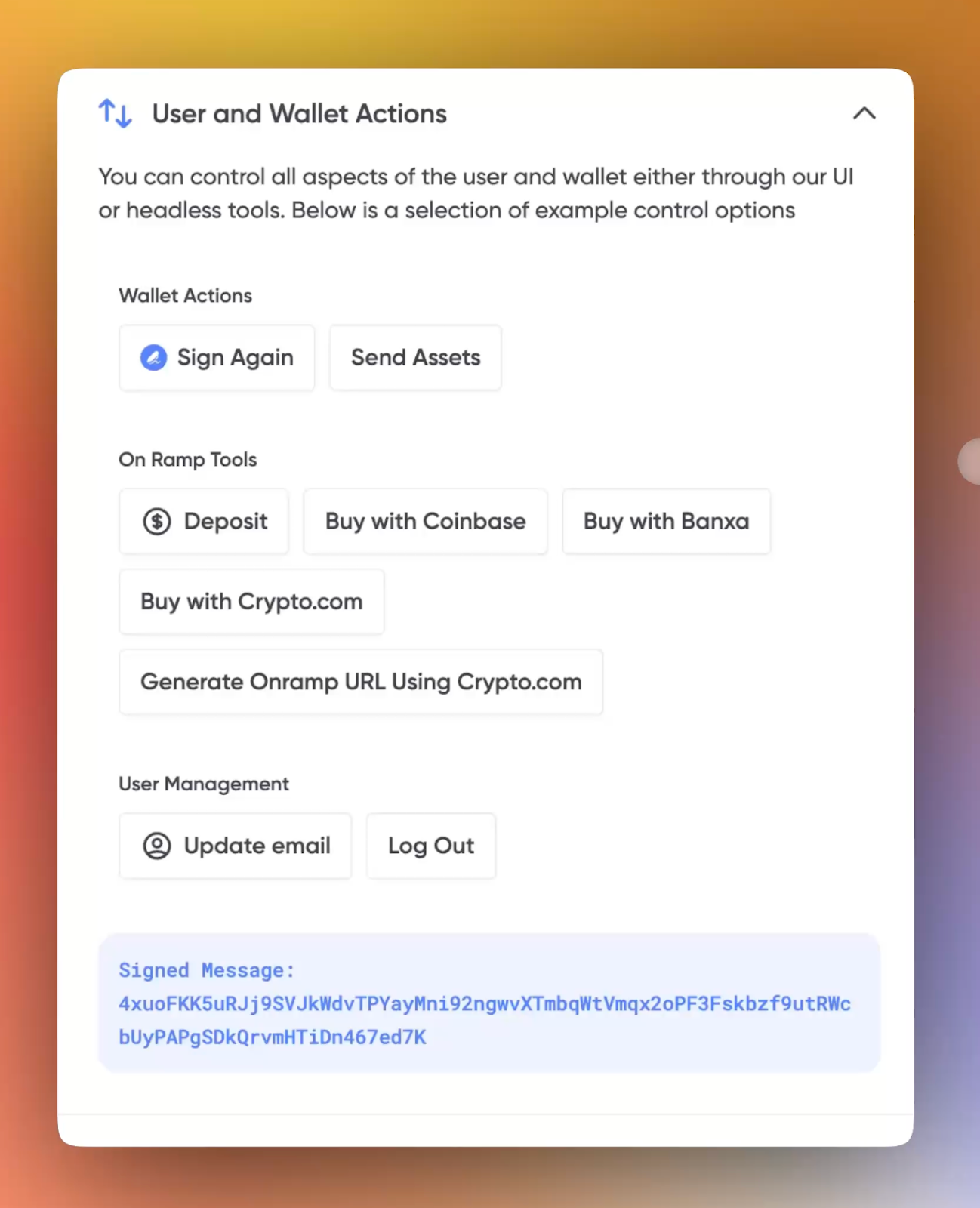
The Architecture of a TSS-MPC Ceremony
To understand why speed was once considered a hurdle, you have to understand the "signing ceremony." In TSS-MPC, a signature is not just a single calculation, it is a digital conversation. Multiple parties hold shares of a never existent private key, and they must exchange messages to produce a valid signature without ever revealing their individual shares to one another.
Historically, this required five or more back-and-forth rounds, fueling the narrative that distributed signing was "unfit" for retail UX in high latency environments. But the technology has evolved, matching the performance of any riskier alternative without compromising security.
The real breakthrough, however, is that speed is now a nominal factor. Whether a signature takes 150ms or 200ms, the user experience remains identical and "instant" to the human eye, shifting performance bottlenecks to other app components and chain finalization times. By optimizing the ceremony architecture, Dynamic ensures that performance is a given, allowing the focus to shift where it belongs: the security of the assets and the peace of mind that comes from knowing institutional-grade protection was never sacrificed.
Dynamic: Beyond Speed, The New UX Frontier
While some providers focus on shaving milliseconds off an already instant process, they’re optimizing for a metric with zero marginal utility. But we’ve moved beyond the era where speed is the primary differentiator; it’s now simply table stakes. At Dynamic, we prioritize the capabilities that actually matter, such as independent recovery and uncompromised security, rather than chasing invisible gains that compromise distributed trust.
With the friction of latency effectively solved, the industry’s focus must shift from how fast a user can enter a system to how safely they can inhabit it. This transition requires a move away from performance metrics toward a deeper commitment to systemic resilience. When a user loses a device or a network faces a stress test, instant becomes irrelevant if it isn't backed by robust recovery.
Dynamic and Fireblocks: A Shared Commitment to Institutional Security
Dynamic’s relentless focus on security and performance served as one of the catalysts for its acquisition by Fireblocks. While Dynamic remains a separate developer platform focused on its core embedded wallet offering, the two companies share a deep-rooted institutional DNA.
This partnership is built on a common vision: that speed should never come at the expense of security. On that note, Fireblocks has pioneered the most advanced cryptographic research in the industry, most notably the Fireblocks MPC-BAM (Bidirectional Asynchronous Messaging) protocol, which is rolling out across Fireblocks product and services BAM, which is the future of MPC, it represents the high bar of security and performance that informs the entire ecosystem.
By joining the Fireblocks family, Dynamic inherits this operational rigor and security expertise. It allows Dynamic to focus on delivering the most elegant, "consumer-grade" embedded wallet experience while being backed by the same institutional trust that powers the world's largest banks and custodians.
Conclusion: Changing the Conversation on Speed
If speed is already a solved problem, what remains? The answer is resilience. Now that Dynamic has reached the point where signing is "invisible" to the user, the conversation must shift back to infrastructure.
- Does your wallet provider have a solution that does not involve a single point of failure?
- Does your provider support key refreshing and flexible thresholds?
- In the event of service disruption or device loss, do your users have an independent path to recovery?
Dynamic has proven that TSS-MPC meets the needs of the most demanding consumer apps in the world. Speed is no longer the variable. The race for milliseconds is over, and the focus has shifted to who can provide that speed without compromising on the security and sovereignty of the user.
Share this article

.png)